
If you have ever set a goal in January and watched it fade by March, the issue was not your discipline. It was the structure of the commitment. The behavioral science is unusually clear here, and it has been for two decades.
Why streaks outperform goals
Goals are end-state targets: lose 20 pounds, walk 10,000 steps a day for a year, run a marathon. They produce high motivation in the first week and a slow drift in commitment thereafter. By month three, the gap between intention and behavior is what most people experience as failure.
Streaks are different. A streak is a cue (the time of day or the app) plus a tiny action plus an immediate reward (the count incrementing). BJ Fogg's research at Stanford and James Clear's synthesis in Atomic Habits both converge on the same finding: small, repeatable wins, anchored to a cue, are dramatically more durable than ambitious goals.
The fragility problem
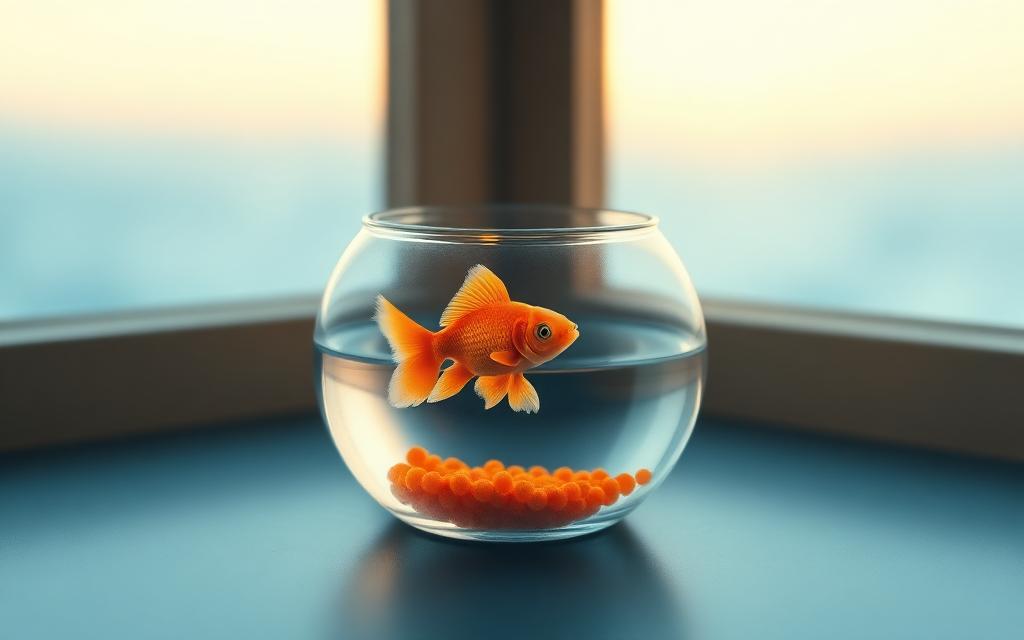
The classic failure mode of a streak is breaking it once and quitting entirely. The fix is to design the streak so that a low day still counts. Bubbles uses this principle directly: even a small step count keeps him glowing. A perfect day extends the streak. A small day still counts.
Practical streak design
- Set a floor low enough that you can hit it on your worst day.
- Anchor the action to an existing cue (morning coffee, dinner, etc).
- Make the reward visible and immediate.
- Build a grace mechanism so one miss does not end everything.
Start a Bubbles streak today. He celebrates the small days as much as the big ones.
Download BubblesMotivation gets you started. Streaks keep you going long after motivation has politely left.
Sources
Bubbles turns every step into clearer water, a meal, and a bigger world for a tiny fish who is genuinely glad you came.
Download Bubbles